-
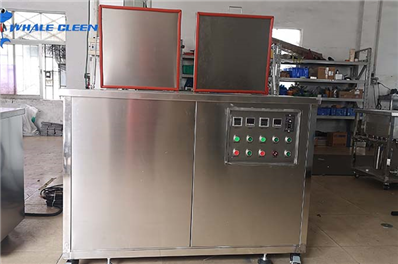 Production Capacity Stuck Because Cleaning Is Too Slow? Don't Let Your Cleaning Line Become the Factory's Bottleneck
Every production manager knows the feeling. You've optimized the machining center. You've streamlined assembly. You've even fine-tuned packaging. But somewhere in the middle of your production line, there's a bottleneck that no amount of s
-
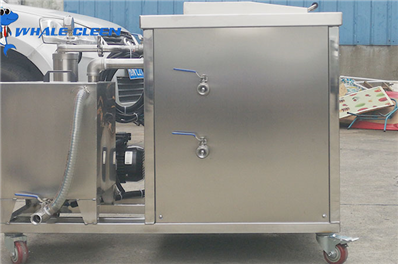 Ultrasonic Cleaning Systems: Revolutionizing Maintenance Solutions in the Power Industry
The power industry is a cornerstone of modern civilization, powering homes, industries, and economies. However, maintaining the equipment that generates, transmits, and distributes energy is a complex and costly endeavor. One critical aspect of this maint
-
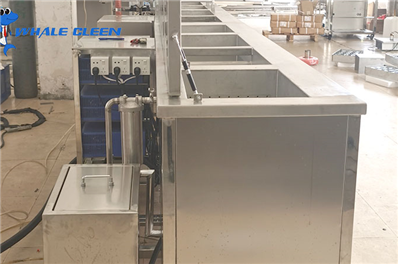 Addressing Pharmaceutical Cleaning Challenges with Ultrasonic Cleaning Technology
Introduction The pharmaceutical industry faces unique cleaning challenges due to stringent regulations, the need for high levels of cleanliness, and the necessity to prevent contamination in drug production. Ultrasonic cleaning technology has emerged a
-
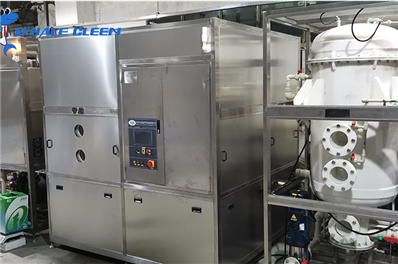 Advancements in Cleaning Technology: Exploring the Advanced Features of Ultrasonic Cleaning Devices
As technology continues to advance, the field of cleaning technology has witnessed significant evolution. Ultrasonic cleaning devices, positioned at the forefront of innovative cleaning techniques, have not only retained traditional advantages but have al
-
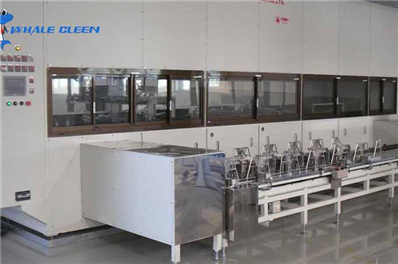 Same Ultrasonic Cleaning, Why Are Some Aerospace Fastener Yield Rates So Much Higher?
In aerospace manufacturing, few quality metrics are as unforgiving as fastener cleanliness. A single micro-fastener — a titanium alloy bolt, a high-strength steel screw, a threaded insert — can carry cutting fluids, lapping compounds, or microscopic metal
-
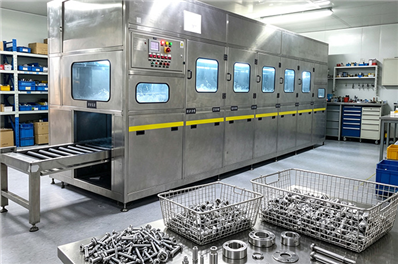 Ultrasonic vs. Electrolytic Ultrasonic Cleaning: What's the Real Difference in Metal Finishing Cleanliness?
In metal finishing and electroplating operations, cleanliness is not just a quality metric—it is the foundation upon which adhesion, corrosion resistance, and final product performance are built. A single speck of oil residue on a stamped metal part can c
-
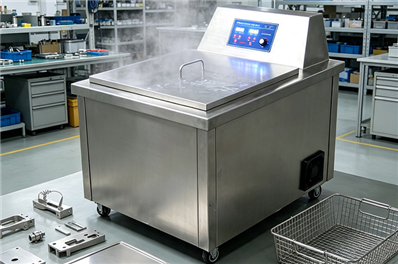 Ultrasonic Cleaning Machine: How Powerful Is It Really? A Shocking Test in Hardware Electroplating Pretreatment
If you have ever walked through a hardware electroplating line, you have seen the frustration firsthand. Parts come out of the bath with patches of peeling plating. Edges look dull. Blind holes show signs of uneven coverage. The plating bath chemistry is
-
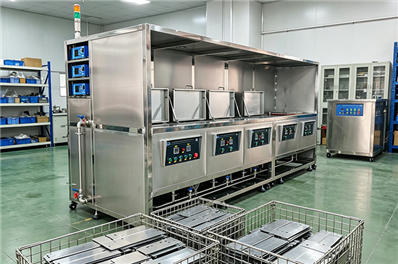 Ultrasonic Cleaning Machine: Breaking the Production Bottleneck When Piles of Oily, Chip-Covered Parts Stall Your Shop Floor
Walk into almost any machining workshop, and you will see the same scene: pallets stacked high with freshly machined parts, their surfaces glistening with cutting oil and clinging to metal chips, grinding dust, and microscopic debris. The parts are ready
-
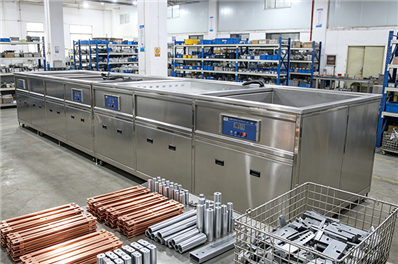 Automotive Parts Cleaning Equipment Manufacturer: Selecting the Right Ultrasonic Cleaning Partner
In the automotive industry, from engine components and transmission parts to braking systems and chassis elements, the cleanliness of parts is directly linked to performance, reliability, and safety. Manufacturing processes like machining, grinding, and s
-
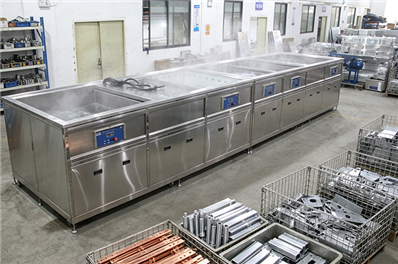 Ultrasonic Cleaning Machine for Shaft Parts: A Specialized Solution for Precision Components
In mechanical manufacturing and heavy industry, shaft parts—such as transmission shafts, motor rotors, hydraulic piston rods, and bearing rollers—are fundamental components that demand the highest standards of cleanliness. These precision-machined parts o
-
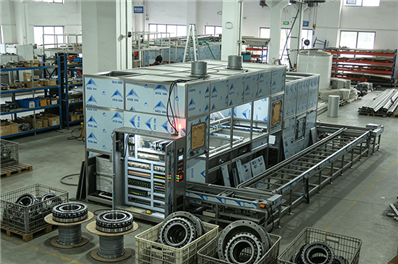 Ultrasonic Cleaning Machine: The Cost-Effective Solution for Mold Parts Cleaning
In the manufacturing industry, the cleaning of mold components—such as core pins, ejector pins, and intricate mold inserts—has long been a silent drain on production budgets. The costs are not limited to cleaning agents and labor; they extend to rejected
-
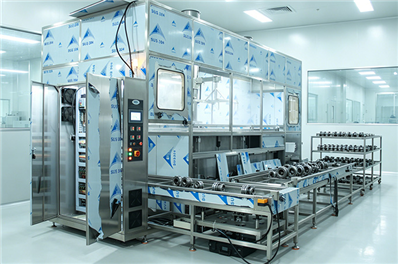 Thread Tap Residue Ruining Precision? How Ultrasonic Cleaning Eliminates Cutting Paste Without Damaging Thread Accuracy
In precision machining, few operations are as demanding as thread tapping. The cutting paste—a thick blend of lubricants, extreme-pressure additives, and fine abrasive particles—is essential for protecting taps and achieving clean thread profiles. But aft